

Blog Detail
How Walkability Is Redefining Property Value in Thrissur
Posted onAug 01, 2026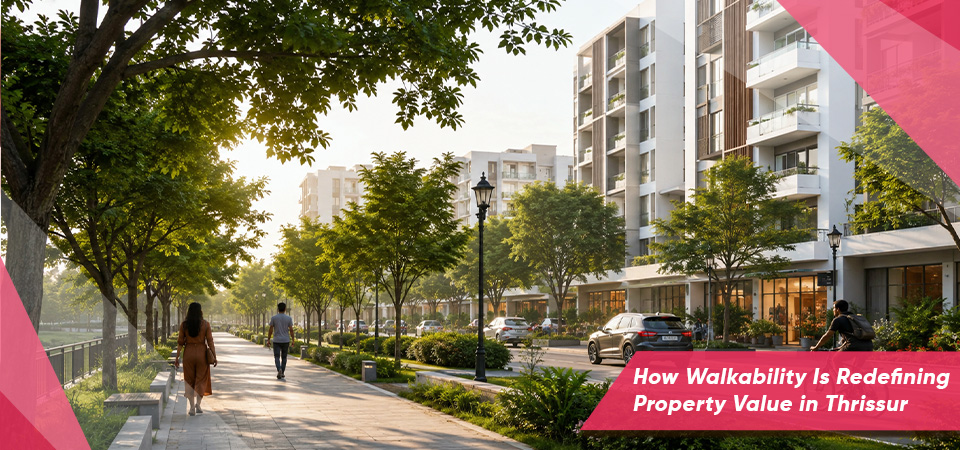
The way people evaluate homes has changed significantly over the past few years. While factors such as location, size, and price continue to influence buying decisions, walkability has emerged as one of the strongest indicators of long-term property value. According to recent real estate market trends in Thrissur, homebuyers are increasingly seeking neighborhoods where essential services, schools, healthcare facilities, shopping centers, and recreational spaces are within walking distance. This shift reflects changing lifestyles that prioritize convenience, healthier living, and sustainable urban development.
Understanding Walkability in Modern Real Estate
Walkability refers to how easily residents can reach everyday destinations without relying on private vehicles. A walkable neighborhood typically includes well-maintained sidewalks, safe pedestrian crossings, public parks, supermarkets, educational institutions, hospitals, cafes, and public transportation within a comfortable walking distance.
For homebuyers, this means spending less time commuting and more time enjoying their surroundings. For investors, properties in walkable neighborhoods often demonstrate stronger appreciation because they remain attractive across different market conditions.
Why Walkability Matters More Than Ever
Urban lifestyles have evolved dramatically. Traffic congestion, rising fuel prices, and increasing environmental awareness have encouraged people to rethink their daily travel habits. Instead of living far from essential services, many buyers now prefer communities where they can complete everyday errands on foot.
Walkable neighborhoods also promote healthier lifestyles by encouraging regular physical activity. Residents who walk daily often experience reduced stress levels, improved cardiovascular health, and better overall well-being. These lifestyle advantages make such communities increasingly desirable among young professionals, families, and retirees alike.
The Impact on Property Value
Properties located in highly walkable areas generally enjoy greater demand. Higher demand naturally contributes to stronger property appreciation over time.
Several factors explain why walkability positively influences property values:
- Easy access to schools and educational institutions
- Convenient shopping and entertainment options
- Better connectivity through public transportation
- Reduced dependence on private vehicles
- Attractive public spaces and parks
- Improved quality of life
When these elements come together, buyers are often willing to pay a premium for the convenience they provide.
Walkability and Lifestyle Convenience
Modern homeowners value time as much as money. Living close to daily necessities minimizes travel time and simplifies everyday routines. Parents can comfortably walk children to nearby schools, professionals can reach workplaces or transit hubs quickly, and senior citizens can access healthcare facilities without lengthy commutes.
This level of convenience enhances overall satisfaction and makes neighborhoods more attractive to future buyers as well, supporting long-term property appreciation.
The Role of Urban Planning
Well-planned urban infrastructure plays a crucial role in improving walkability. Wider footpaths, pedestrian-friendly roads, proper street lighting, landscaped public spaces, and integrated transportation networks all contribute to creating neighborhoods that encourage walking.
As cities continue investing in smarter infrastructure, areas with strong pedestrian accessibility are expected to experience sustained growth in demand.
Why Homebuyers Are Prioritizing Walkable Communities
Today's buyers evaluate properties beyond square footage alone. They carefully consider the overall living experience a neighborhood offers.
Features such as nearby schools, hospitals, supermarkets, parks, fitness centers, and recreational spaces contribute significantly to purchasing decisions. Easy access to these facilities improves everyday life while enhancing future resale potential.
Modern apartment amenities further complement walkable communities by providing residents with fitness centers, children's play areas, landscaped gardens, co-working spaces, and recreational facilities within the residential complex itself.
Benefits of Investing in Walkable Properties
The benefits of investing in walkable neighborhoods extend well beyond convenience. Investors often experience stronger rental demand because tenants actively seek locations that reduce commuting time and improve daily living.
Additional advantages include:
- Higher occupancy rates
- Better rental income potential
- Stronger resale demand
- Greater resilience during market fluctuations
- Long-term capital appreciation
These factors make walkable communities an attractive option for both first-time buyers and experienced investors seeking stable returns.
Choosing the Right Property
When evaluating apartments in Thrissur, buyers should look beyond the building itself and carefully assess the surrounding neighborhood. Important considerations include pedestrian safety, access to public transportation, nearby commercial establishments, healthcare facilities, educational institutions, and green spaces.
Reputable Builders in Thrissur increasingly recognize these changing buyer preferences and are selecting project locations that offer excellent accessibility and strong neighborhood infrastructure. This strategic approach not only enhances residents' quality of life but also strengthens the property's long-term investment value.
The Future of Walkable Communities
As cities continue expanding, sustainable urban planning will become increasingly important. Walkable neighborhoods reduce traffic congestion, lower carbon emissions, and create healthier communities where residents enjoy improved social interaction and greater convenience.
Future residential developments are expected to place even greater emphasis on pedestrian-friendly infrastructure, mixed-use developments, public transportation integration, and accessible community spaces. These trends will continue influencing buyer preferences and shaping property values across growing urban centers.
Conclusion
Walkability has evolved from being a desirable feature to becoming a major factor influencing residential property value. Buyers today seek homes that offer convenience, healthier lifestyles, reduced travel time, and better everyday experiences. As urban development continues to prioritize pedestrian-friendly infrastructure, properties located in walkable neighborhoods are well-positioned to deliver lasting value for both homeowners and investors. Choosing a home in a thoughtfully planned community is no longer just about today's comfort it is also a strategic decision for long-term growth and quality of life.
FAQs
Why is walkability becoming an important factor in property value?
Walkability enhances daily convenience by providing easy access to schools, hospitals, shopping centers, parks, and public transportation. Homes in walkable neighborhoods often experience higher demand, better resale value, and stronger long-term appreciation.
How can I evaluate the walkability of a neighborhood before buying a property?
You can assess walkability by checking the proximity of essential services, the quality of sidewalks, pedestrian safety, public transport connectivity, traffic conditions, and the availability of parks and recreational spaces. Visiting the area at different times of the day can also provide valuable insights.
Are walkable neighborhoods a good choice for real estate investment?
Yes. Properties in walkable neighborhoods typically attract more buyers and tenants due to their convenience and lifestyle benefits. This can lead to higher rental demand, improved occupancy rates, and better long-term returns on investment.